Search

Wine and Food

Alexander van Dülmen

Category

Wine

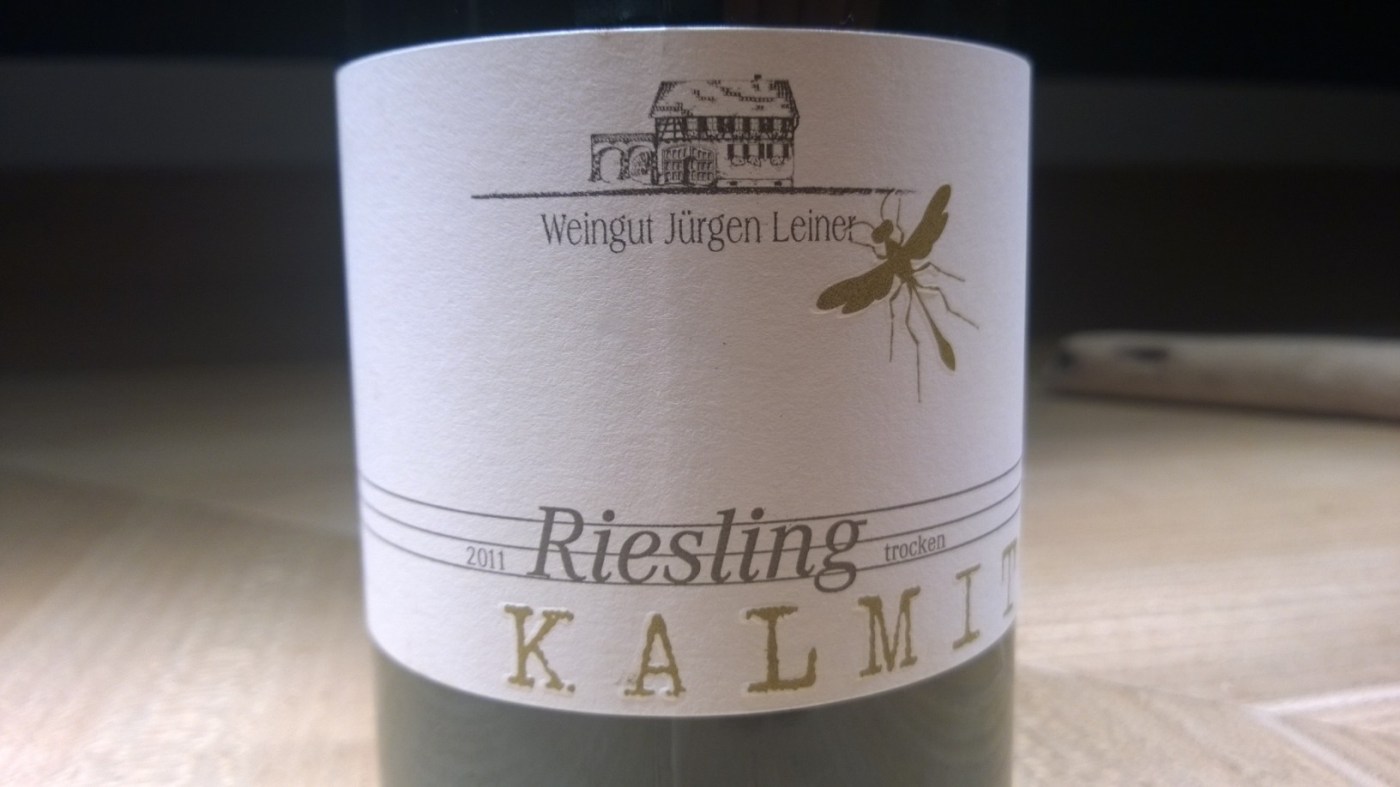
Riesling, Kalmit, 2011, Weingut Jürgen Leiner

Riesling, Kalmit, 2011, Weingut Jürgen Leiner, Ilbesheim, white wine from Germany

6 points

This is the sister or brother of the Spätburgunder from Kalmit which I introduced yesterday. Therefore I don’t need to describe the winery and winemakers in detail here – you can read everything at https://avdwineandfood.wordpress.com/2015/04/03/spatburgunder-kalmit-weingut-jurgen-leiner-2009/.

Continue reading “Riesling, Kalmit, 2011, Weingut Jürgen Leiner”

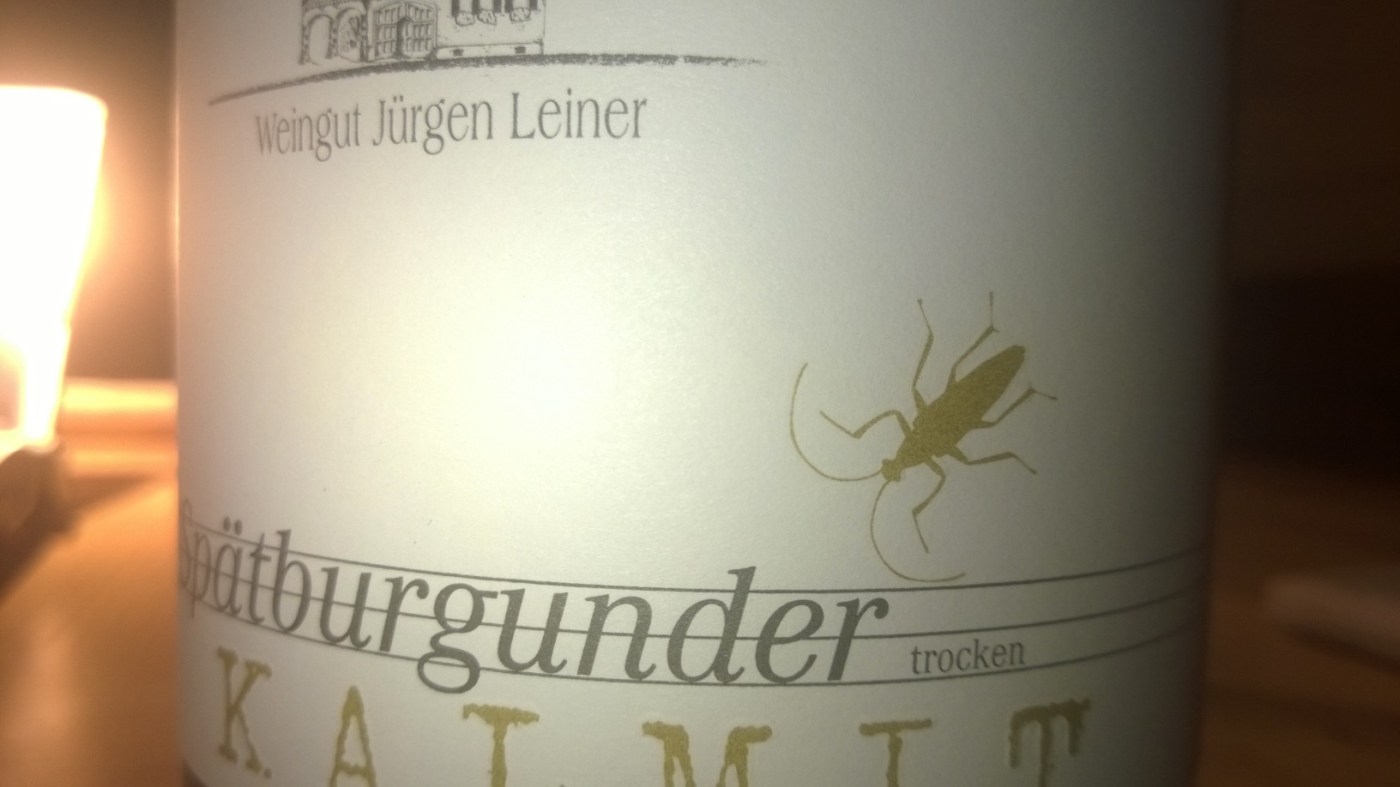
Spätburgunder, Kalmit, Weingut Jürgen Leiner, 2009

Spätburgunder, Kalmit, Weingut Jürgen Leiner, 2009, Ilbesheim, red wine from Germany

6 points

Many of the reports you can find about Jürgen Leiner online begin with the perception that he is – I assume actually all mean his son Sven – an extraordinary but very quiet wine maker, who isn’t easy to identify within the mass of winemakers in Germany, but who holds a quite special place. This is pretty amusing because there are incomparably more articles, reviews and reports about this winery than about others in the same region. Even on youtube you’ll find some videos related to Leiner. Thus, this family – who own and run this winery – seem to be pretty smart in marketing and presentation. Salespeople in wine stores sell Leiner’s wines rather cleverly – like they’re sharing an insider tip. This is actually quite distant from the reality – but perhaps it keeps prices up? But anyway, everyone who writes about the wines of Leiner, everyone who circulates a review about it, just likes or even loves these wines. And I honestly agree!

Continue reading “Spätburgunder, Kalmit, Weingut Jürgen Leiner, 2009”

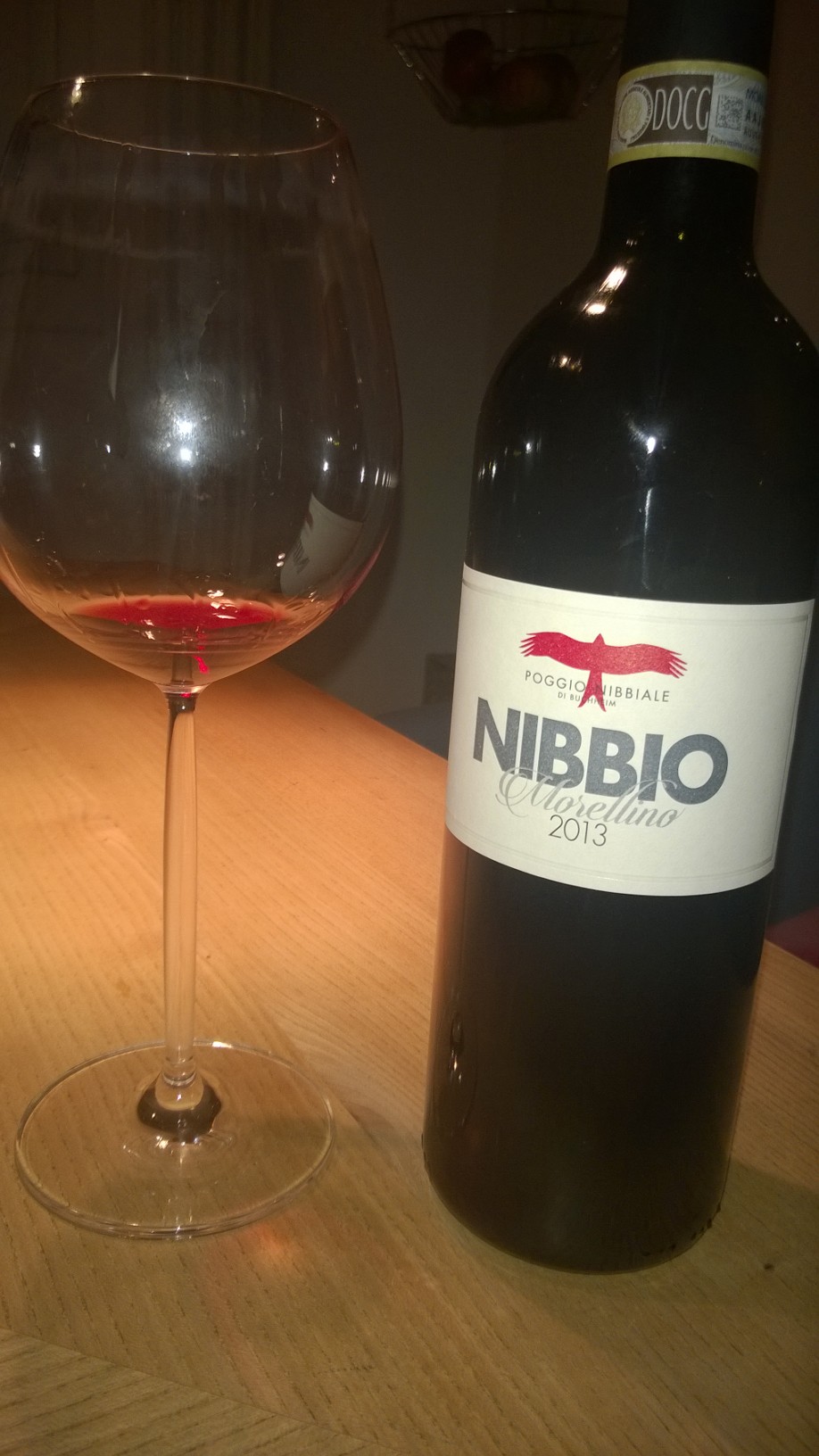
Nibbio Morellino 2013, Poggio Nibbiale Di Buchheim

Nibbio Morellino 2013, Poggio Nibbiale Di Buchheim, red wine from Tuscany, Italy

4 points

Another wine from the previously-mentioned degustation packet from the German newspaper  Süddeutsche Zeitung (https://avdwineandfood.wordpress.com/2015/03/29/marcques-del-hueco-rioja-2012/) is probably a special edition of a Morellino from the winery Poggio Nibbiale Di Buchheim. Buchheim isn’t an Italian name, although the wine comes from Tuscany. If you “google” the name of the winery you understand quickly that this Buchheim is a German dentist from Seeshaupt – on the Bavarian lake Starnberger See. If you know the Starnberger See, then the association immediately creates an image of rich guys with a collection of Porsches and other symbols of opulence. This Mr. Buchheim seams to have invested his money into something much better – although I have no idea what kind of car he drives. He invested in his own winery. Compliments!

Continue reading “Nibbio Morellino 2013, Poggio Nibbiale Di Buchheim”

Marcqués del Hueco, Rioja, 2012

Marcqués del Hueco, Rioja, 2012, Vendimia Seleccionada, red wine from Spain

4,5 points

Unfortunately I don’t know anything about Spanish wine. Since I am a subscriber of a degustation packet of German’s daily newspaper Süddeutsche Zeitung every three months I have the chance to get to know new wines. As always, sometimes it is rather disappointing, sometimes one can discover something new and compelling. So I opened a bottle of Marcqués del Hueco, a Rioja. I was actually astonished and very pleased! If every unknown wine were so good and digestible I would be really happy.

Continue reading “Marcqués del Hueco, Rioja, 2012”

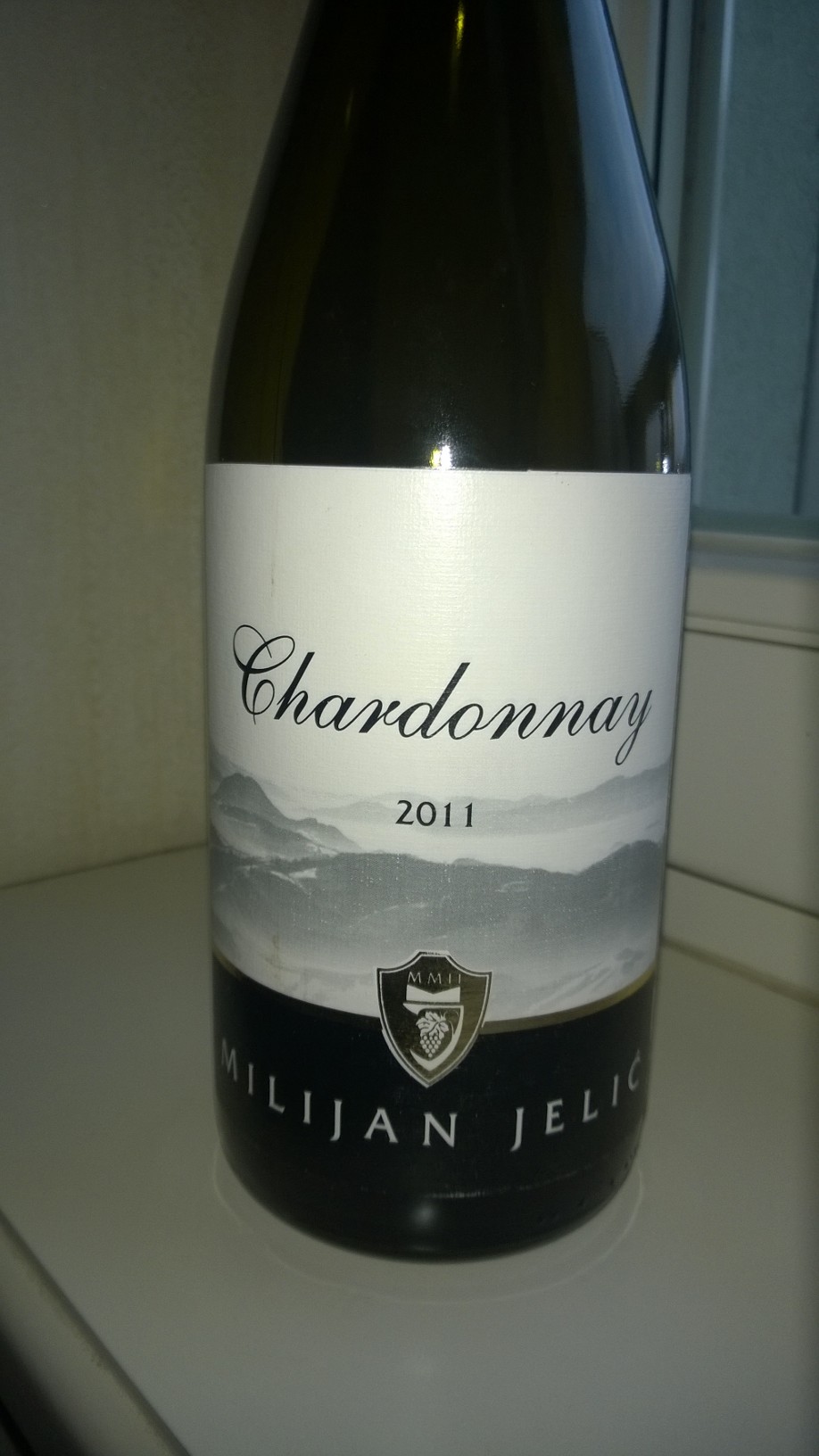
Milijan Jelic, Chardonnay, 2011

Milijan Jelic, Chardonnay, 2011, Valjevo, white wine from Serbia

1 point

This wine is another attempt to adapt the taste of American Chardonnay, although the area Milijan Jelic makes wine is obviously somewhere else. It is in Serbia – which makes its interesting to taste, and since it isn’t cheap you would expect something special. Unfortunately, it isn’t interesting or surprising.

It is very golden in colour. It has a rather nice smell although not terribly special. The wine has recognizable quality but is a mixture of rather flat aromas. It is too sweet and I don’t think it is reasonable for this wine to have so much barrique – oaky – tones.

The labels looks a bit like the wine tastes….

Serve it very cold, then perhaps the sweetness won’t completely over some other undiscovered flavors.

For further information, please see at http://www.milijanjelic.com/en/

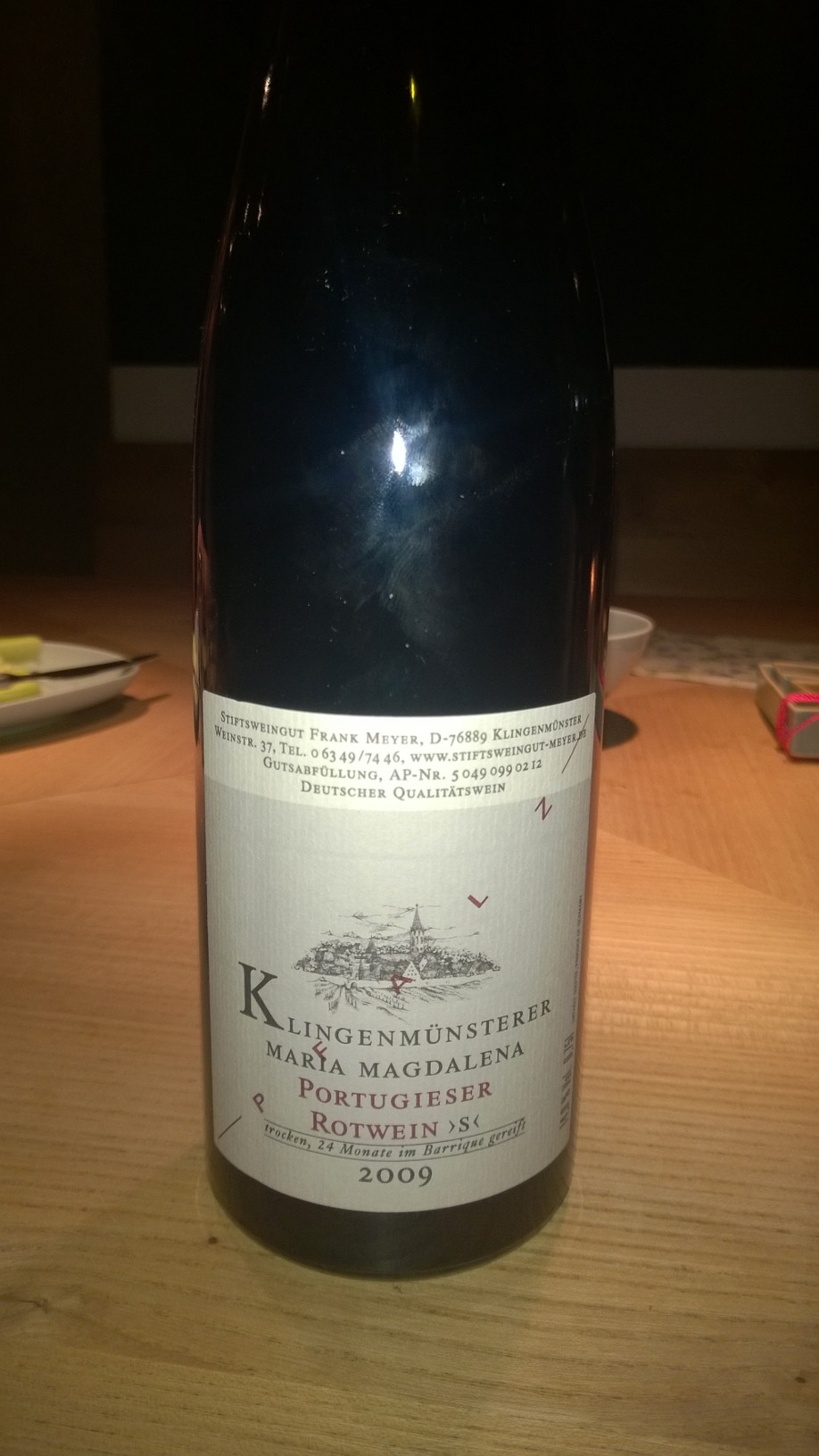
Klingenmünsterer, Maria Magdalena, Portugieser Rotwein S, 2009

Klingenmünsterer, Maria Magdalena, Portugieser Rotwein S, 2009, Siftsweingut Frank Meyer, red wine from Germany

5,5 points

WP_20150316_001Portugieser is a type of grape which is normally used for mass-produced wines and it therefore has a rather bad reputation. Many years ago this wine was introduced to me by the waiter of the restaurant of one of my favorite hotels on the Baltic Sea – the Speicherhotel Barth. I loved it immediately; maybe because it fits with the rougher climate of the Baltic Sea.

This is a very soft and dry red wine. The rather light flavor of the wine receives a very special “drive” as it is matured for 24 months in oak barrels. It is really very woody and delivers all good aromas of barrique: tobacco and pepper. It isn’t fruity like many Portugieser, and but condimental along with some strong red berries (even cranberries). Continue reading “Klingenmünsterer, Maria Magdalena, Portugieser Rotwein S, 2009”

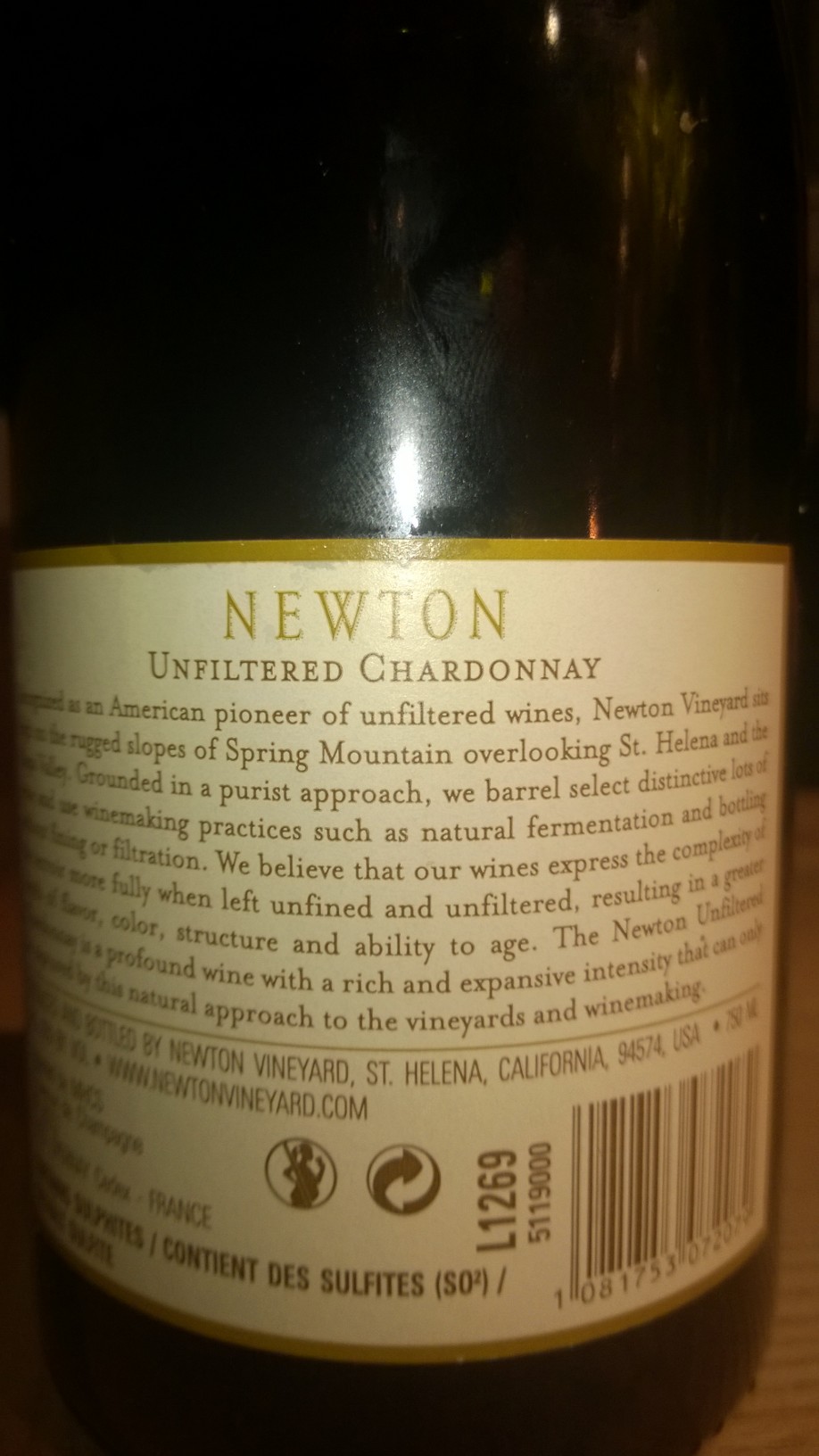
Newton, Chardonnay, 2007, Napa County

Newton, unfiltered Chardonnay, 2007, Napa County, white wine from the USA

5,5 points

What I really like about wine is the astounding variety. Each region and country has its own particular styles and types. For example, it’s impossible to find anything that really compares to a German Riesling – except perhaps a few select wines from Austria – but I guess everyone would agree that this is something typically German. Also some people like to find comparable to Barolo, which is in itself so strictly Piedmontese, and therefore so Italian. As a European, it is – due to our lack of knowledge – much more difficult to detect all of these differences when we speak of so-called “New World” wines. As soon as you leave the European continent, so-called “New World” wines are encountered much more often, for a variety of reasons: perhaps you are either in a “New World” country, like Australia – or a place where Australian wines are imported since it is either geographically closer and/or more reasonable due to clever marketing campaigns. German wines are not well exported! Firstly, because Germans like to drink their own wines and secondly, why work too hard if you already have your grateful costumers right around you. But also because there isn’t any special marketing or publicity campaign for German wine abroad. Chilean wine, for instance, is very popular in Poland and even there are, of course, great wines from Chile, while those you can get in a normal restaurant or in a supermarket are rather bad. But it is trendy.

I even don’t know if wines of California belong to wines of the “New World” officially, but I put them in this group!

Continue reading “Newton, Chardonnay, 2007, Napa County”

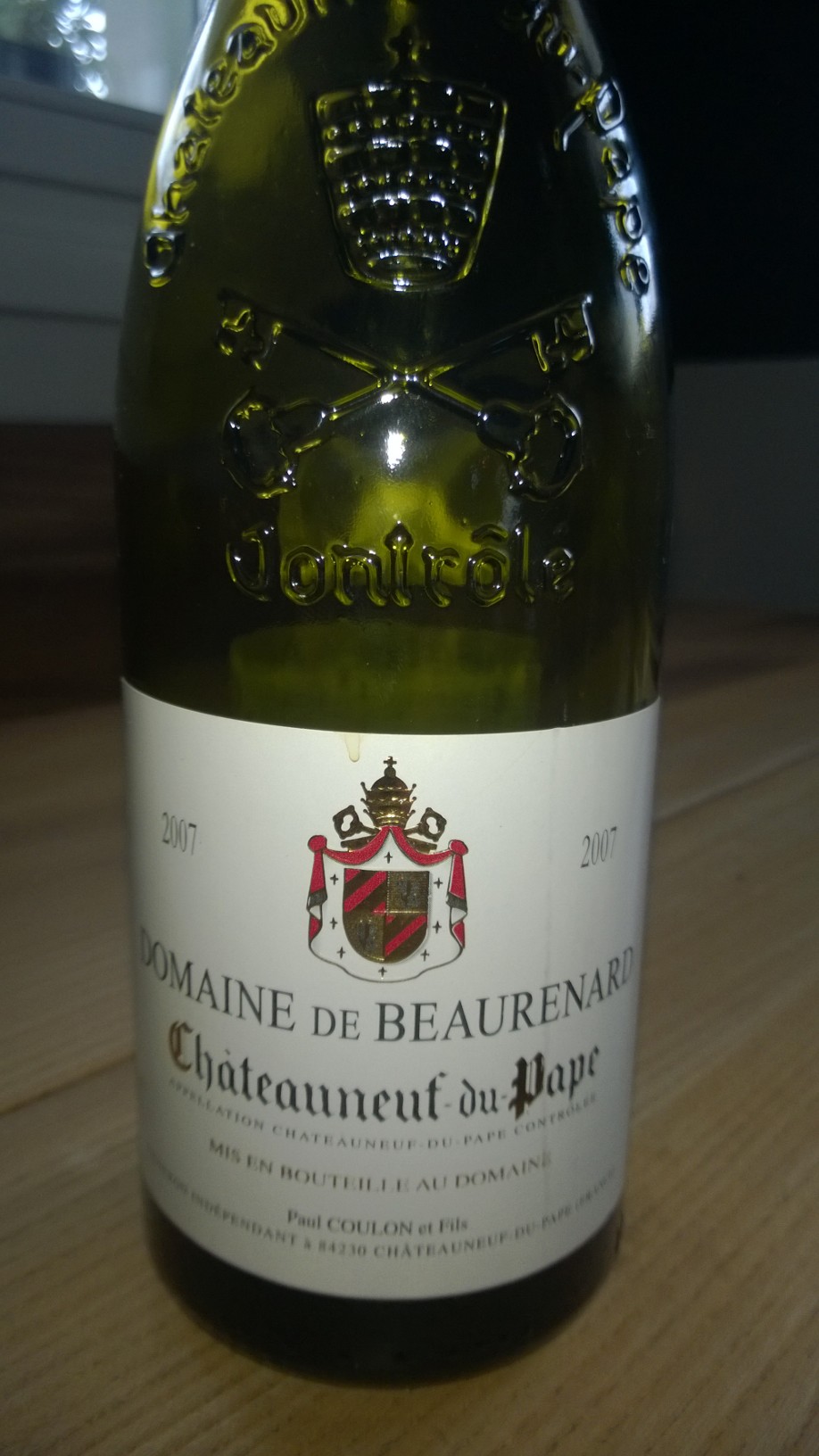
Domaine de Beaurenard, Chàteauneuf de Pape, 2007

Domaine de Beaurenard, Chàteauneuf de Pape, 2007, red wine from France

5 points

I didn’t know anything about Domaine de Beaurenard and I have to admit that I don’t even remember how I came into these bottles of wine. Nevertheless, this wine tastes quite different from what you would expect if you open a Châteauneuf du Pape – it is much less
fruity and heavy than many other common ones. This one is much more straightforward – I actually think the German word “geradeaus” is clearer. Although already more than seven years old and, of course, produced from such typically rather sweet and rich grapes as Grenache and Syrah, this is one of the “coldest” Châteauneuf du Pape I’ve encountered so far.

Normally Châteauneuf du Pape has no tastable acidity but is something even like a praline this one is exceptionally sophisticated, cool and refreshing. Taste-wise there are notes of forest berry and spicy condiment. It reminds me a bit of moss. All this is pretty contradictory to the area of the Coté de Rhone, which is a rather warm wine area.

The wines of this winemaker are organic and biodynamic. And since this wine is so different and interesting, I recommend spending some time on the winery’s very informative and well-done website: www.beaurenard.fr. You will find all the information you need about Domaine de Beaurenard.

Laurentiuslay, Riesling Alte Reben, Carl Loewen, 2012

Carl Loewen, Riesling Alten Reben, Erste Lage Laurentiuslay, 2012

7 points

This is another review about a Riesling from the Mosel! It is too ambitious to say that this is the best region for Riesling, since some people would protest – and with good reason. But I would risk saying that there isn’t any other region, possibly anywhere in the world, which delivers such a variety and plurality of really top quality Rieslings in such a small area. At each corner, on every hill and slope grows Riesling. It is a great and inspiring competition among all wineries since many of them have one very special and ‘world’s best’ vineyard.

Continue reading “Laurentiuslay, Riesling Alte Reben, Carl Loewen, 2012”

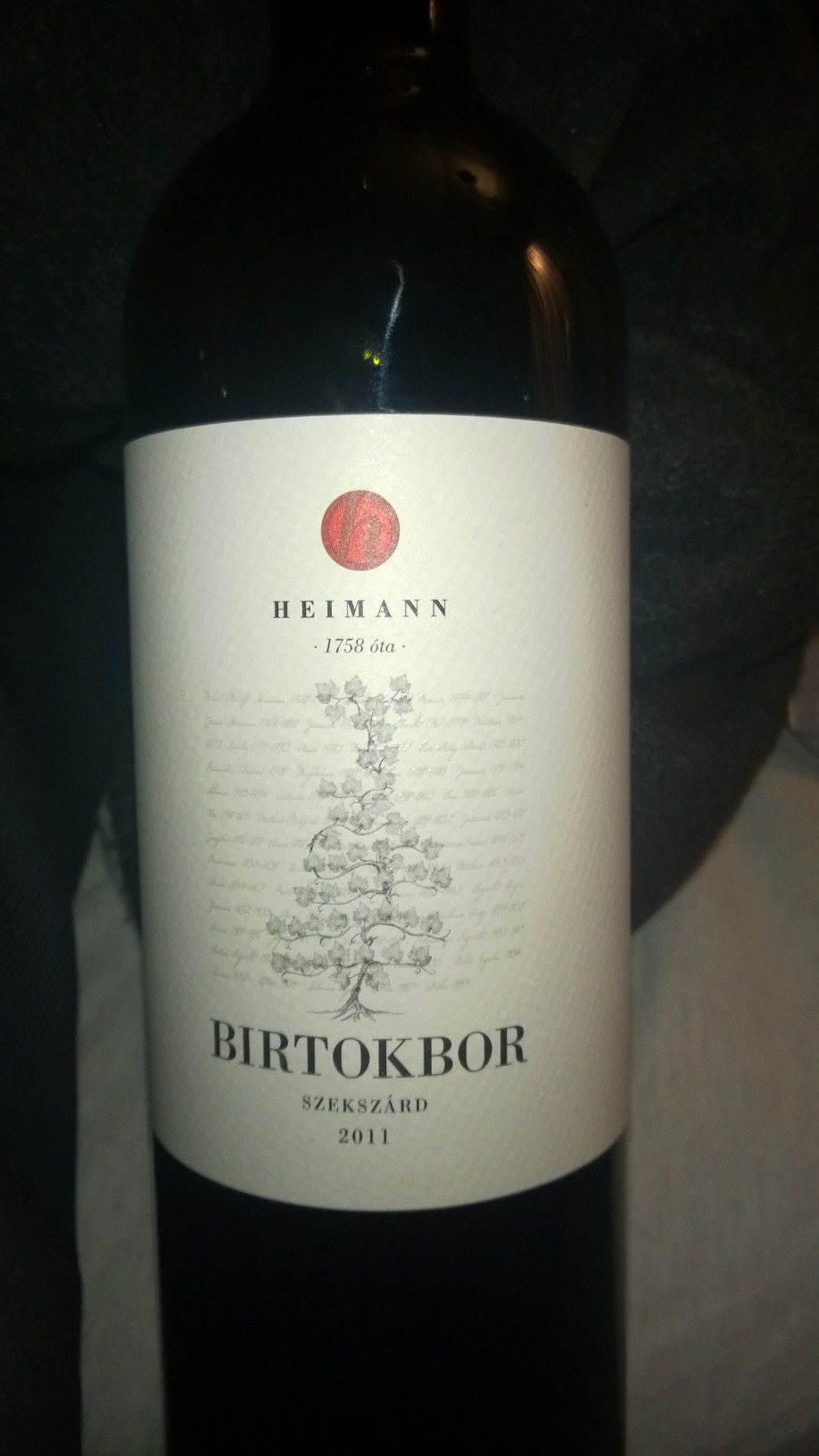
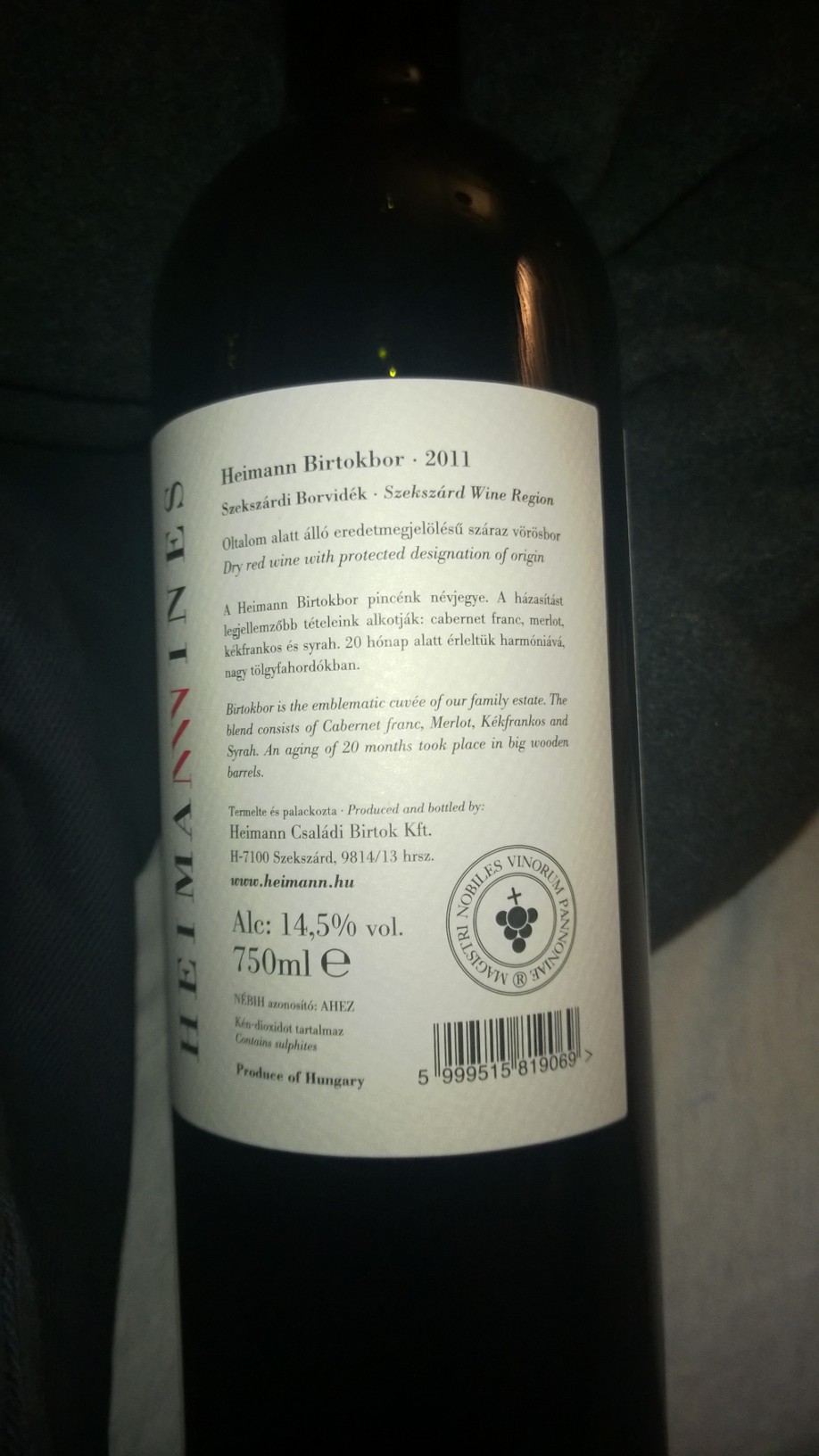
Heimann, Birtokbor, Szekszárd, 2011

Heimann, Birtokbor, Szekszárd, 2011, red wine from Hungary

4,5 points

My friend Gabor Kereszty brought me a box of six different wines from the Hungarian winery Heimann.  Although I thought I would know more than others about Hungarian wine, I must admit I didn’t know of Heimann, from the southern city of Szekszard.

Like all really good Hungarian wine, this is a cuvée! Birtokbor contains Cabernet Franc, Merlot, Kékfrankos (Blaufränkisch) and Syrah – according to the website of Heimann (http://www.heimann.hu/en/menu/wines). It is the very well-balanced combination of grapes that makes it very notable and, simply speaking, good.

WP_20150311_001 WP_20150311_003

Continue reading “Heimann, Birtokbor, Szekszárd, 2011”

Sole, Chardonnay, 2014, Recas

Sole, Chardonnay Barrique, 2014, de Recas, white wine from Romania

2,5 points

According to the back label, there are only 25,000 bottles of this wine, which is produced from Recas’s best vineyards – “Dealul Tiganulul” or “Gispey Hill”. It was given to me by a brave Romanian who told me about the surprising quality of this Romanian chardonnay. I have always been surprised by interesting and good wines from Romania. But I believe I was always tasting only the top wines  – since the people who offered me some of these wines knew that I like wine and pretend to understand something about it.

Until then I had only tried red wines – this was the first white.

Continue reading “Sole, Chardonnay, 2014, Recas”

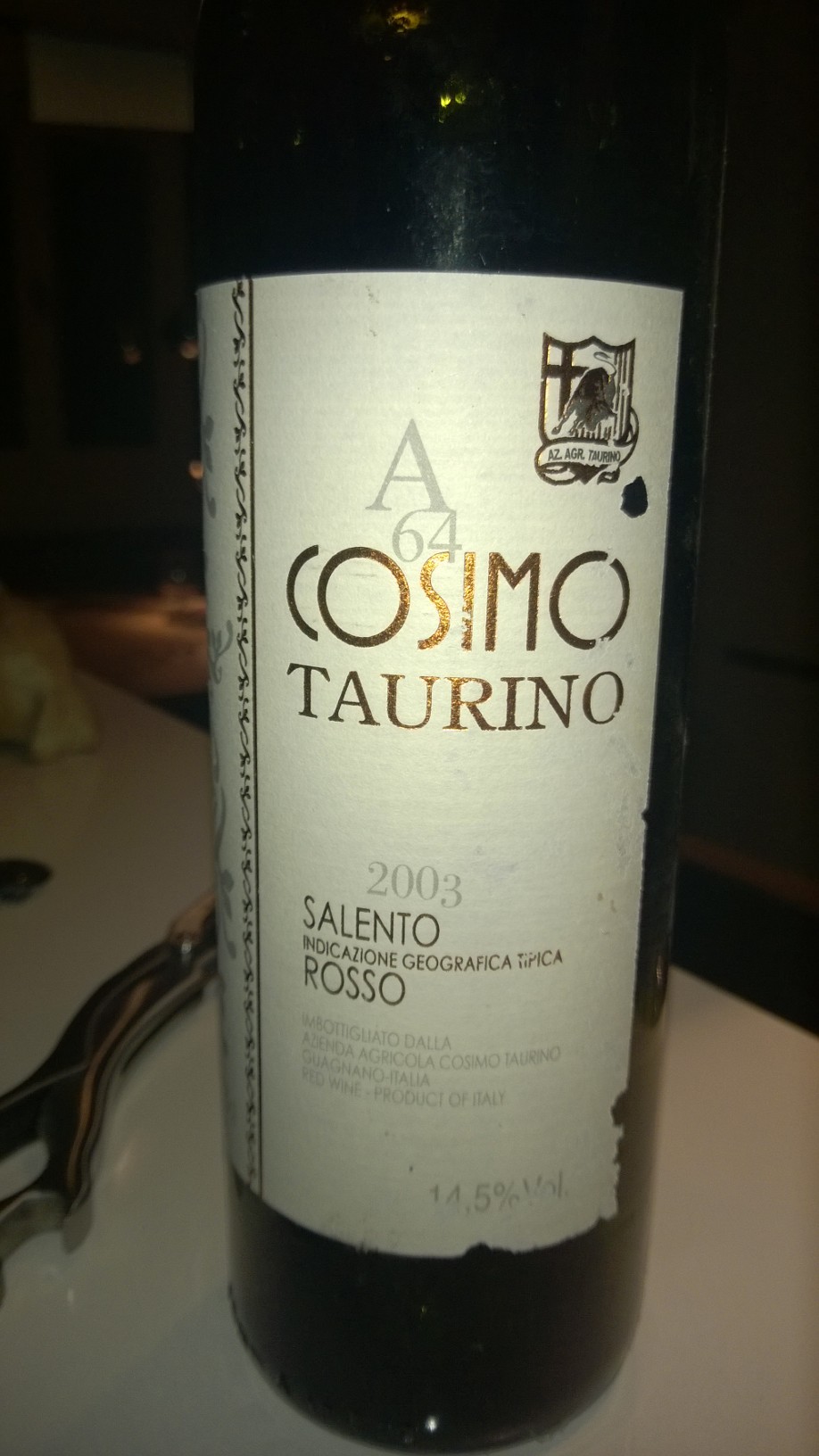
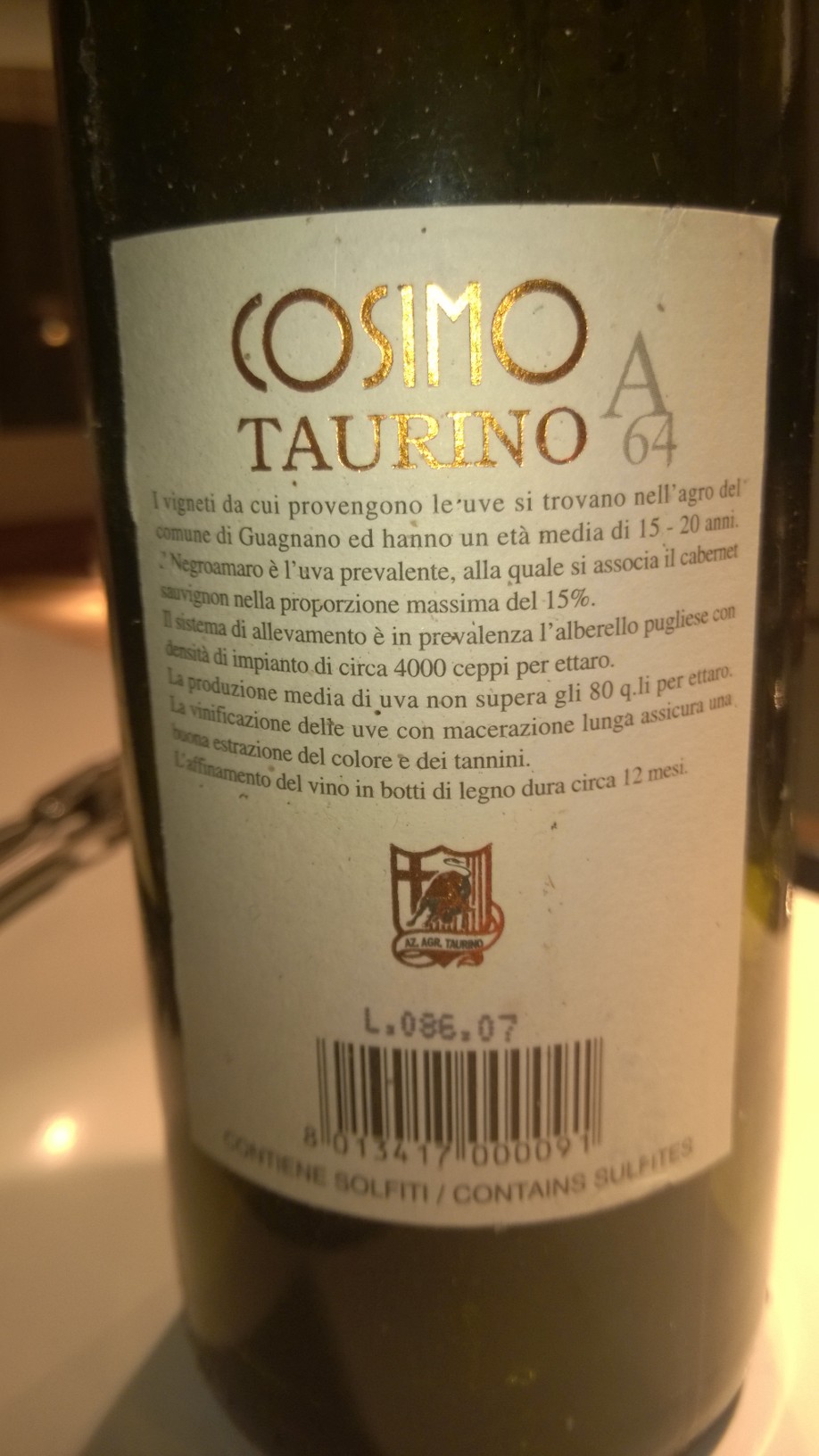
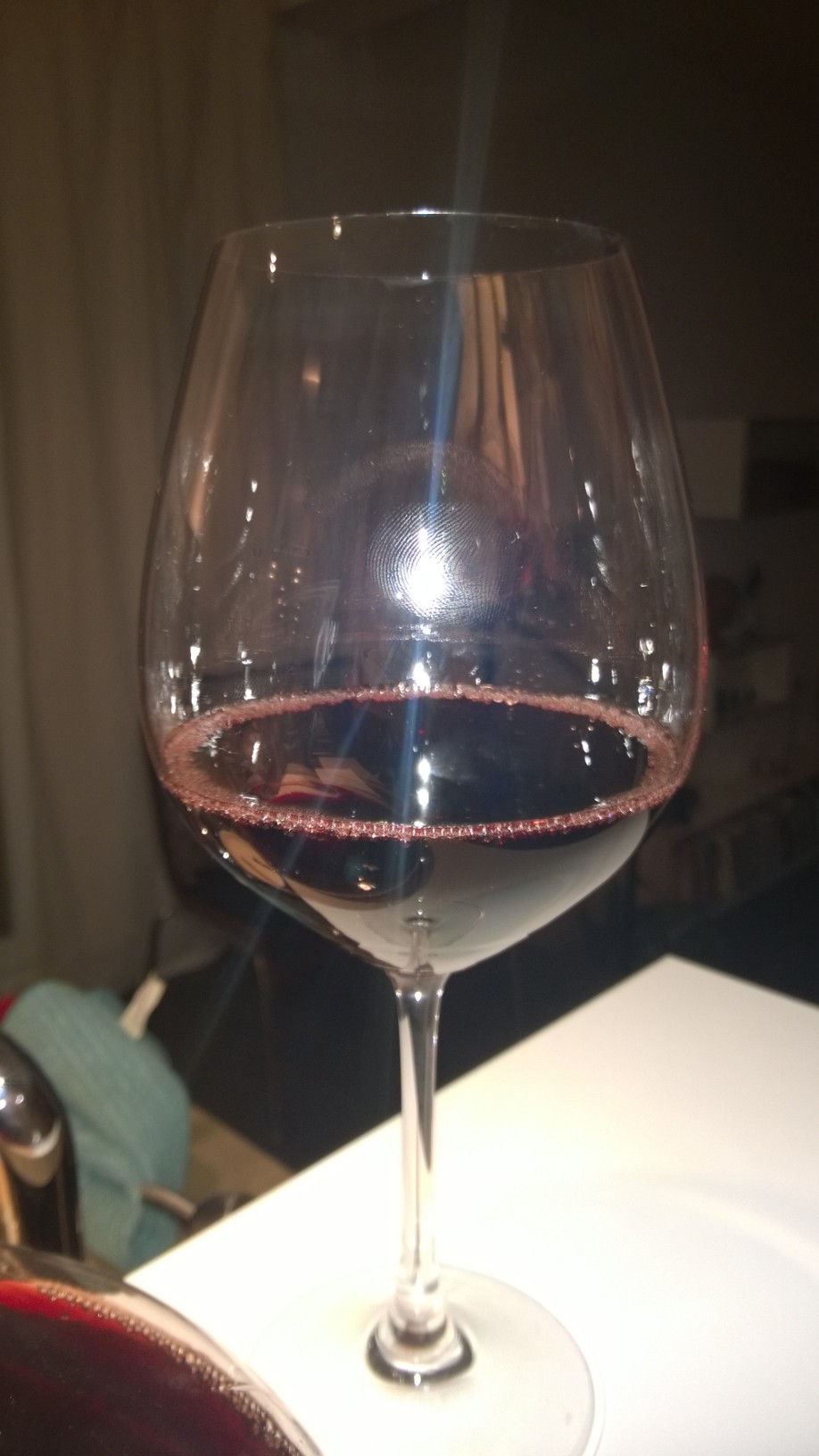
Cosimo Taurino A 64, 2003, Salento

Cosimo Taurino A 64, 2003, Salento, Puglia, red wine from Italy

4,5 points

Sometimes there are moments when you are tired and exhausted. You look for something that will make you happy because you want to treat yourself. The very best wines of the world aren’t suitable for these moments, since you shouldn’t really drink expensive or extraordinary wine when you’re so fatigued. Outstanding wines are elegant and should be enjoyed at the right time, perhaps along with some very good food as well as, probably, with some friends. Cosimo Taurino is the perfect wine for what I’ve described above, it is only for you: it is rich, heavy, pretty voluminous and has quite a bit of alcohol (14,5%!).

WP_20150307_001 WP_20150307_002  WP_20150307_004

Continue reading “Cosimo Taurino A 64, 2003, Salento”

Blog at WordPress.com.

Up ↑