Search

Wine and Food

Alexander van Dülmen

Category

Wine

Les Paradetes, Conca De Barberà, 2009

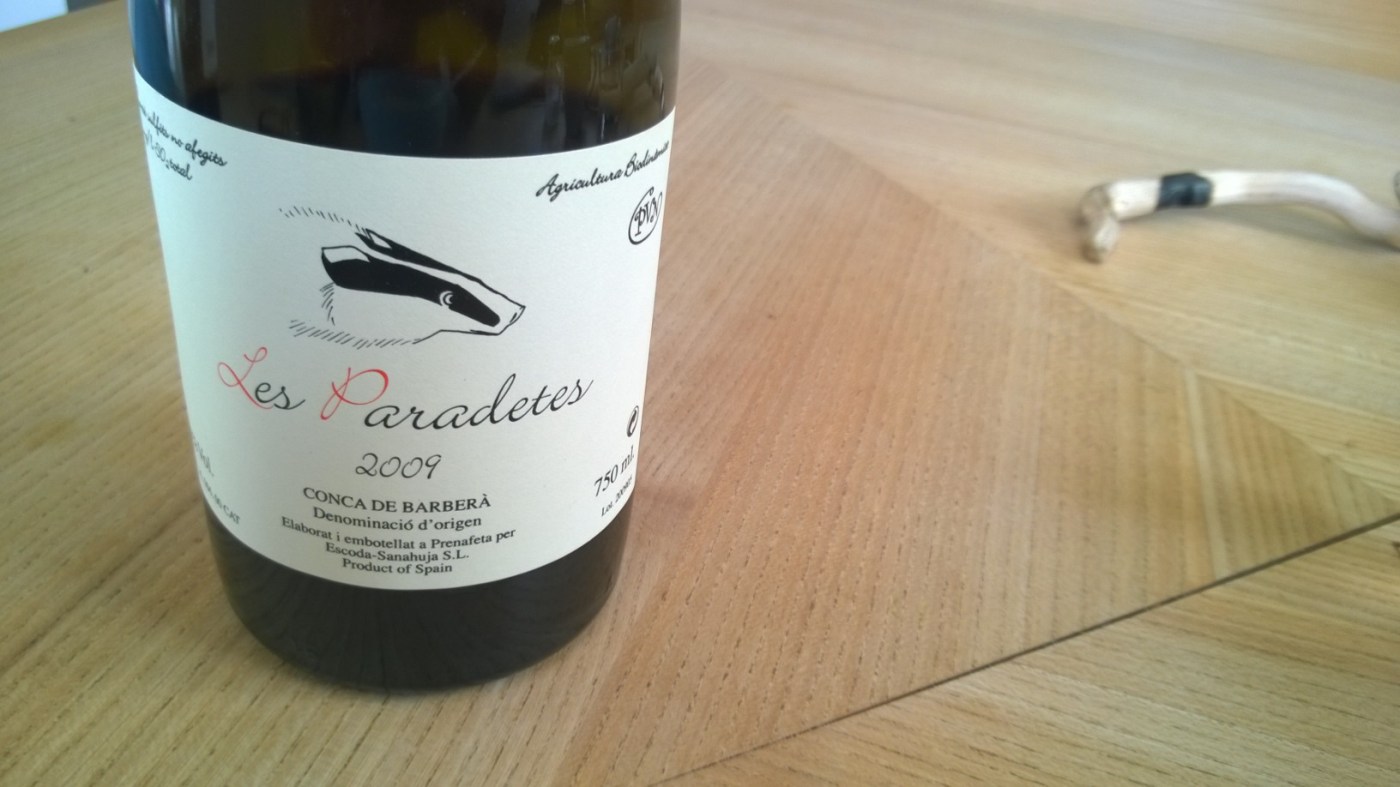
Les Paradetes, Conca De Barberà, 2009, Red-wine from Spain

2,5 points

It is a philosophy to produce wines as naturally as possible, to classify the wine as organic or even biodynamic. For some people, discussing whether wine should contain sulfite is fundamental. I have no clear statement or position but just like to say that some overly natural wines just aren’t my cup of tea. (Adding sulfite is an appropriate and even in some cases necessary element of winemaking). I appreciate organic production as it is certainly healthier and respects natural resources and enriches flavors.

Nobody really knows if the phase of the moon or even natural or artificial noises or sounds have some influences on wine’s development. I personally don’t believe in it.

Continue reading “Les Paradetes, Conca De Barberà, 2009”

Barbár, Heimann, 2011, Szekszárd

Barbár, Heimann, 2011, Szekszárd, Red-wine from Hungary

3 points

This is the big brother of Heimann’s Birtokbar which I introduced some while ago: https://avdwineandfood.wordpress.com/2015/03/12/heimann-birtokbor-szekszard-2011/. The wine comes from Szekszár which is in Southern West of Hungary. The area covers the Eastern foothills of Transdanubian hills. The soli is mostly loess but also a little bit stony. It is one of the warmest areas of vineries in Hungary as the summers can be really hot there and usually they have long warm autumns as well.

Continue reading “Barbár, Heimann, 2011, Szekszárd”

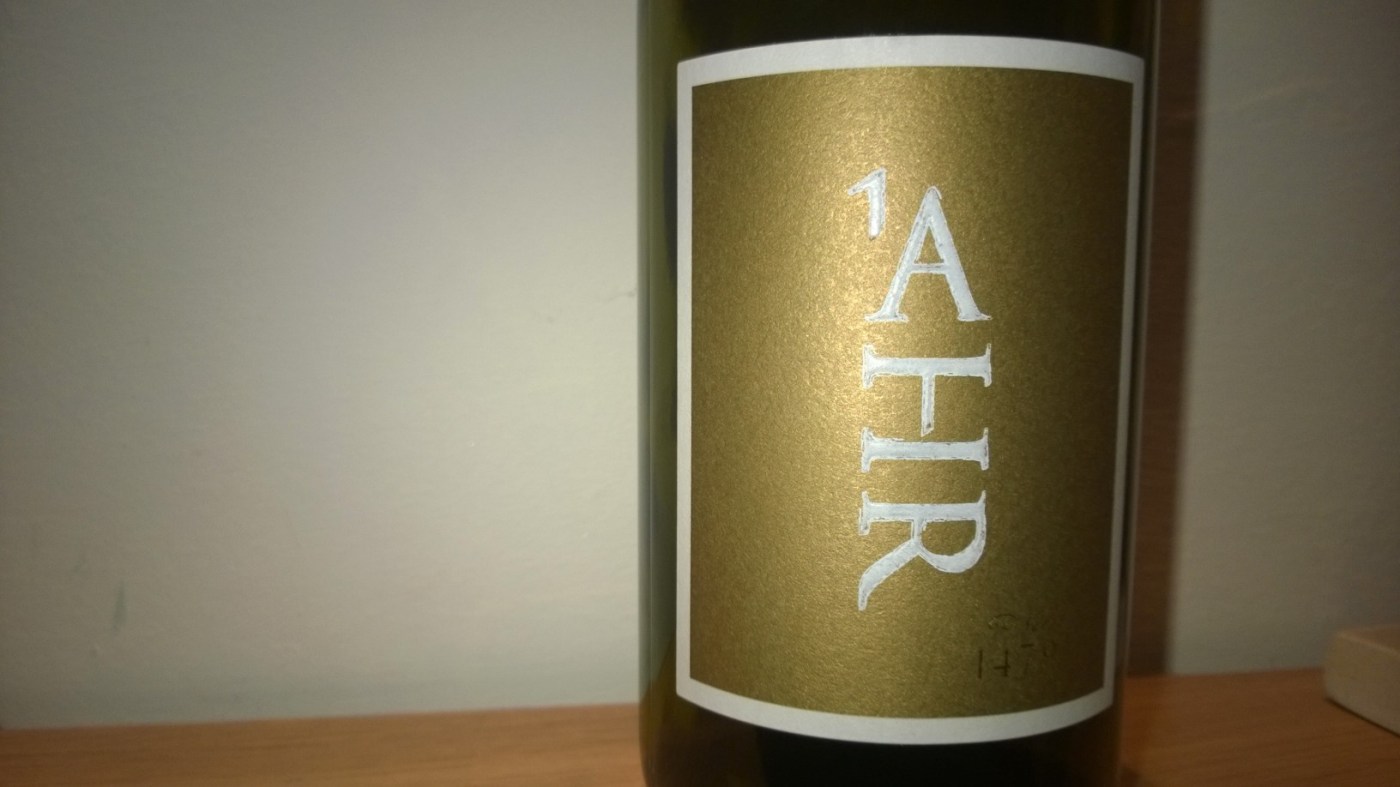
1 Ahr, Spätburgunder, Nelles, 2010

1 Ahr, Spätburgunder (Pinot Noir), 2010, Nelles, Heimersheim, Red-wine from Germany

6 points

Let me begin with a confession: I like all wines from Nelles and I also confess that I like almost all Spätburgunder from the Ahrtal – a small valley in Germany named by the river Ahr – which springs up German lower mountain area called Eifel. This is very much in the west of Germany bordering with Luxemburg and Belgium. The river runs into East and flows into the most “German” river Rhein. Due to it’s geologic but also geographic premises this valley is German’s largest complete red-wine area! This doesn’t mean that most of German red-wine comes from the valley. Not at all! But it is a fascinating piece of Germany: pretty much in the north, between Koblenz and Cologne, the water graved a deep valley with tough steeps on each side. Soil of such steeps is solely schist which is in certain regards similar to Mosel.

Continue reading “1 Ahr, Spätburgunder, Nelles, 2010”

H. Lun, Lagrein, 2013

H. Lun, Lagrein, 2013, Alto Adige Red-wine from Italy

3,5 points  

Lagrein is an autochthone sort of grape of Alto Adige which gives this red-wine its name. Sometimes you can find some rosé out of Lagrein, too.

Although I do not know too much about the vinery H. Lun but it seems this belongs since not too long time to another winemaker of Alto Adige: Cantina Girlan. However, as I don’t like to spread out wrong information I will focus only on this wine. I know the Lagrein of H. Lun pretty long. It was introduced to me more than ten years ago the first time by Heide Pellmann who ran a small wine-store in Berlin Prenzlauer Berg called “Nix wie Wein”. She always has some nice but really also affordable wines which was perhaps this sympathetic lady’s biggest talent. In general a Lagrein cannot be some top wine due to the grape and its rather simple quality. At least I never made such an experience. However a Lagrein has its typical and individual character. I like it because it really differs from a lot of other tasting experiences and due its rather modest approach it can be in certain moments particularly pleasant.

Continue reading “H. Lun, Lagrein, 2013”

Rosso Batic, Reserva, 1999

Rosso Batic Reserva, Ivan Batic, Sempas, 1999, Red-wine from Slovenia

5,5 points

According to a very nice book published by the vinery first wine was made at Batic since 16th century – by monks. Ivan Batic and his son understand themselves in the tradition of winemaking since some hundred years and the quality of wine I drank confirmes this. You can find all you like to know about Batic if you go on their perfect webpage: http://www.batic.si/. Sometimes it is senseless to write more about someone if is so well presented.

Continue reading “Rosso Batic, Reserva, 1999”

La Braccesca, 2005, Vino Nobile di Montepulciano

La Braccesca, 2005, Vino Nobile di Montepulciano, Antinori Agricola, Red-wine from Italy

4 points

WP_20150417_001La Braccesca isn’t something unique as I would usually prefer to write about. It is a huge vinery and owed by the prominent nobel family Antinori which is one of the most dominant wine producers in Italy. Still there are two good reasons to write about this wine!  First and as simple as it is: the wine is good, and second it is a good example that even big producers, their experience and probably passion of winemaking can have a positive influence as this wine belongs to the rather inexpensive ones among many other good but too expensive wines from Montepulciano. Of course all depends to trends and fashions but Montepulciano is a conservative and so traditional wine area which didn’t change winemaking too much except prices which are experience an unreasonable growth in my point of view. We cannot drink wine for more than € 20 or more every day and even this price level is already much too much for some good friends of mine. Perhaps we shouldn’t drink wine everyday anyhow, my doctor would probably say.

Continue reading “La Braccesca, 2005, Vino Nobile di Montepulciano”

Weinbar Rutz, Berlin (2. report) & “Hans”, Pinot Noir, Marlborough

Weinbar Rutz, Berlin, Germany

“Hans”, Pinot Noir, Hans Herzog, Marlborough, Red-wine from New Zealand

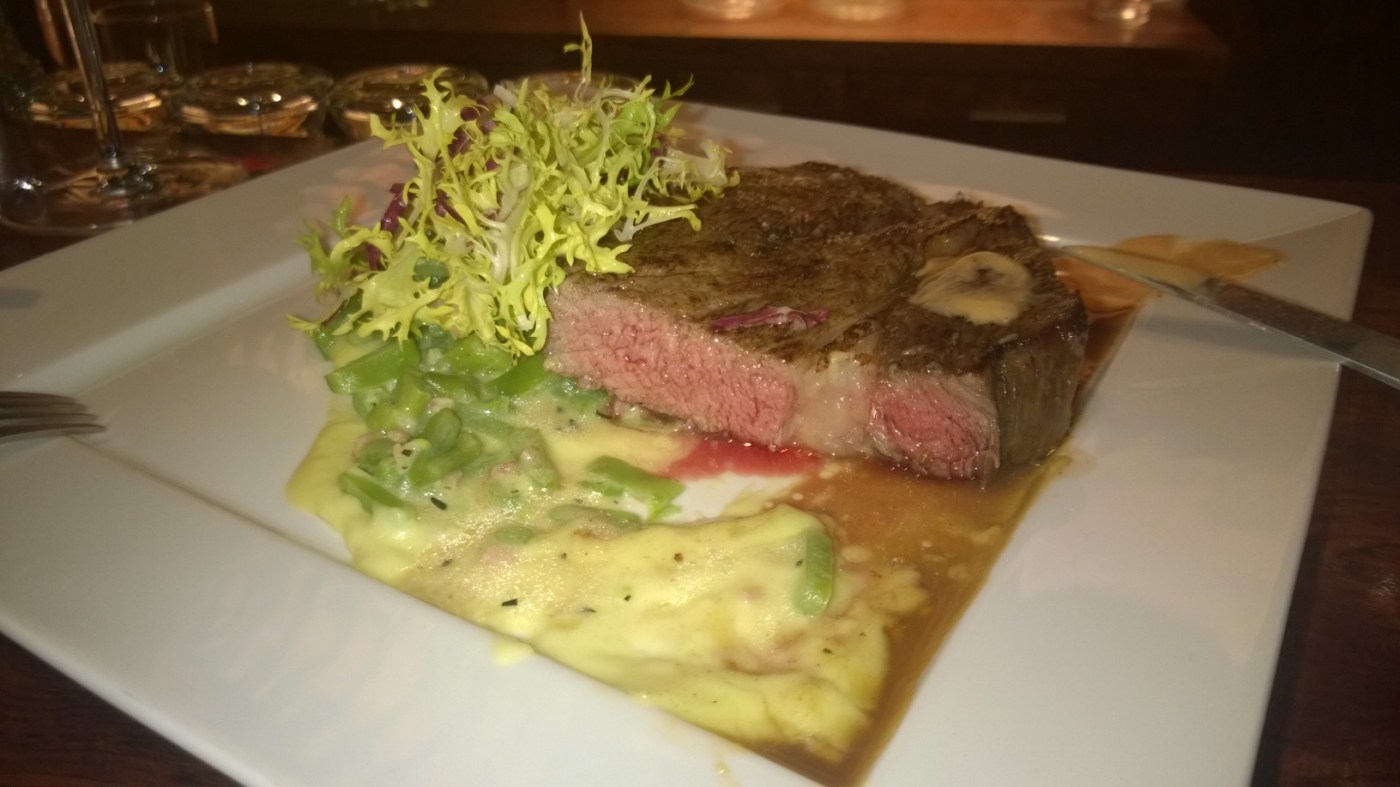
Just a steak! This I love so much about a place like Weinbar Rutz (http://www.rutz-weinbar.de/): on the first floor a Michelin Star restaurant, at the grand level a bar. Coming later the night at 10 pm – after a long day of work – and you get the best food still you can get in town. Without any special arrangements, without the effort of reservation, even not knowing of what you will get since there are always some new or just daily offers. Although season of asparagus started and I could have some first whole I took Prime US Beef as the current piece is in “best age” now – over 50 days dry aged in a smaller drying glassy box in the bar carefully watched by Marco Müller and his team. Super soft, rich of flavors, manly and just rich: a firework of meat flavors. ! Nice of the guys to serve it with something aside: it is not necessary!

7 points for the steak

Continue reading “Weinbar Rutz, Berlin (2. report) & “Hans”, Pinot Noir, Marlborough”

Movia, Veliko, 2006

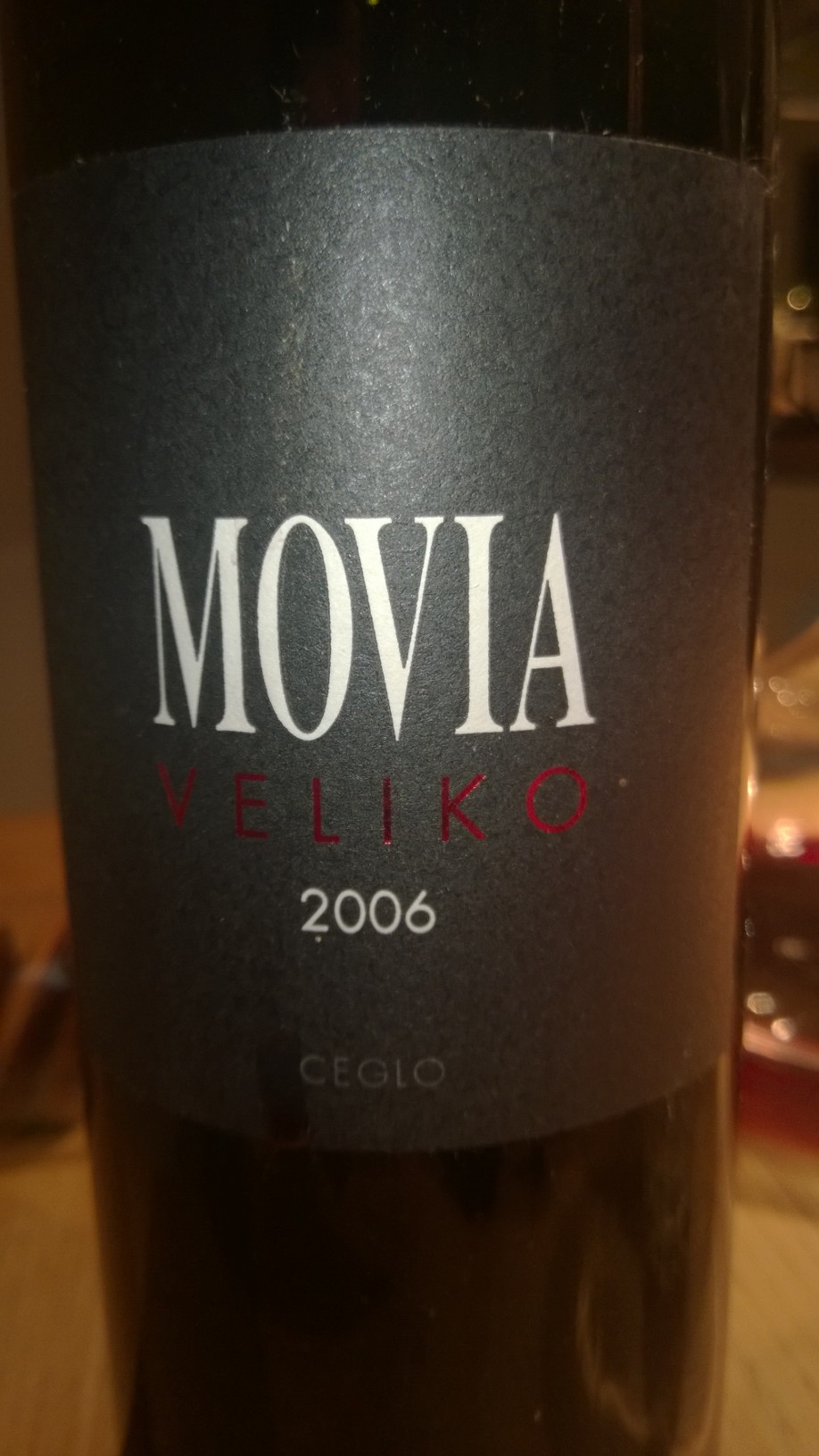
Movia, Veliko Rdece, 2006, suho rdece kakovostno vino ZGP, Brda, Red-wine from Slovenia

6 points

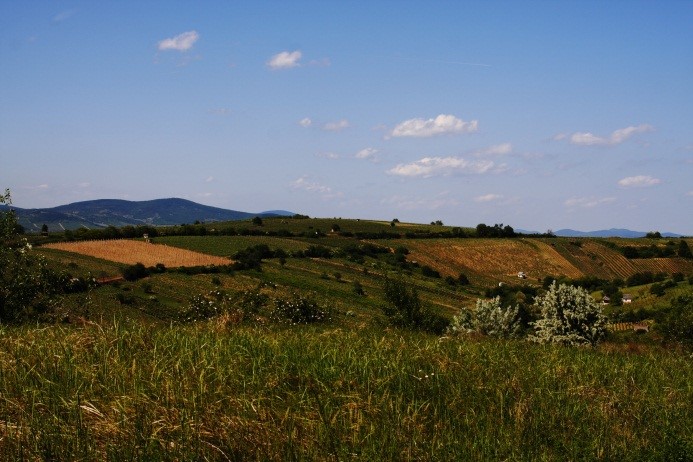
One of the probably most underestimated or let’s say undiscovered wine country in Europe is Slovenia. The most northern country of so-called Former Yugoslavia has three very different wine areas among some real small others:  Podravje (in a triangle of Austria and Hungary), Posavje (toward south-east and Croatia) and Primoska which borders to Italy and Istria / Croatia as well. Although there are certainly interesting and even much less known wines from the first two areas the best known one is Primoska. Probably all internationally recognized wine makers of Slovenia are out of this region which lays in southern foothills of Slovenian alps along long valleys towards the Adriatic sea. Some of the wine growing areas are connected directly with Italian areas Friuli but also Venetia.

Continue reading “Movia, Veliko, 2006”

Tokaji Hárslevelü, Kassai, 2012 Kikelet Pince

Tokaji Hárslevelü, Kassai, 2012 Kikelet Pince, White Wine from Hungary

4,5 points

I would believe that everyone who ever came in tough with sweet wine had once or even often a Tokaji, probably still the most well known and internationally exported wine from Hungary. Tokoji is without any doubt one of the most traditional and eldest wine sort, it is made out of only four sorts of grapes which aren’t well known at all: Furmint, Lindenblättriger (Lipovina or Harslevelü), Muscat and Zéta. The name of the wine comes from the Hungarian city Tokai. Although everyone thinks this wine is only Hungarian origin, there are Tokai wines also from Slovakia – mostly from those Slovakian areas revanchist of Hungarian establishments’ sometime calls Hungarian hemisphere. The area is the most northern foothill of Balkan mountains called Carpathians. There is volcanic and also clay soil but due to the geographic location is one of the coldest areas of Hungary. You wouldn’t consider that this is a typical and appropriate wine area. But it is, in particular for this kind of wine as it needs not only sun and heat but also wet and foggy autumns before the harvest as grapes need to mature long upon they are noble rot and small like rosin.

Continue reading “Tokaji Hárslevelü, Kassai, 2012 Kikelet Pince”

Alivio Barbaresco, Risvera 1998, Le Rocce Dei Barbari

Alivio Barbaresco, Risvera 1998, Le Rocce Dei Barbari, Piedmont, Red-wine from Italy

2 points

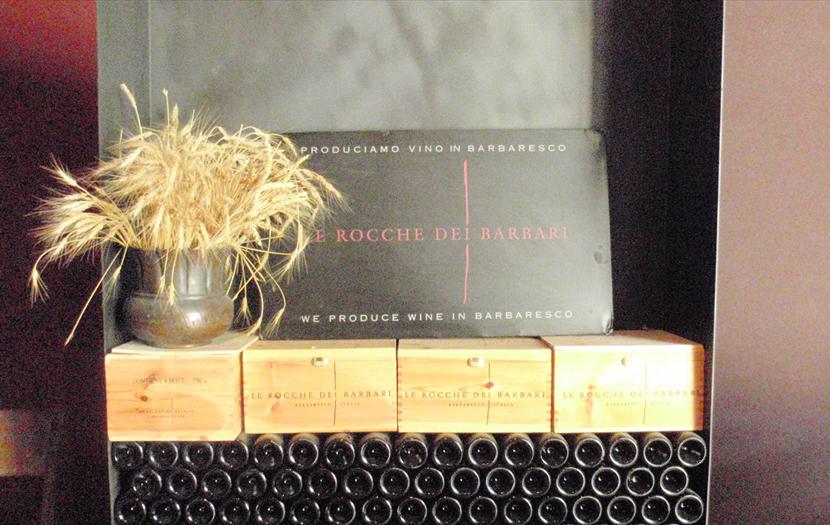
Many years ago I once went to Piedmont and into the center of Barbaresco area – the village of Barbaresco. This was still in a time I didn’t know too much about wines and in particular wine makers of Piedmont except the typical subjects as GAJA. Walking through this wine village I simply ended at the winery Le Rocche dei Barbari. I like the style of the testing room and the host – a son of the winemaker – had some time to serve me through wines. Among others at that time their best was a Barbaresco Risverva 1998. It was already eight if not even nine years old, matured really very many years in barrique. The whole presentation was pretty charming, a nice mixture of farm and modern wine selling.

Continue reading “Alivio Barbaresco, Risvera 1998, Le Rocce Dei Barbari”

Chandegrive, Saint Joseph, 2001

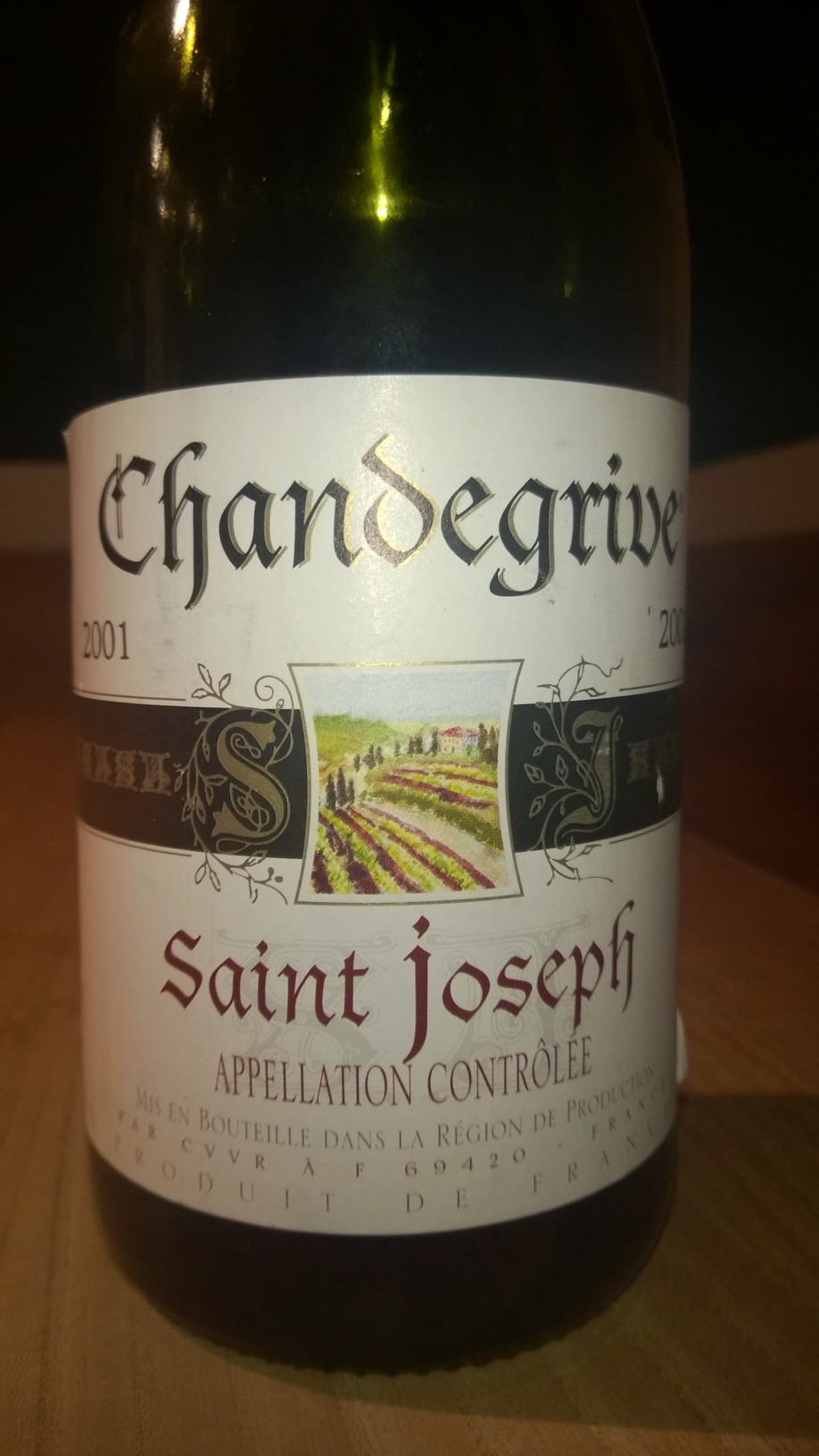
Chandegrive, Saint Joseph, 2001, Appellation Contrólee, Rhone, red wine from France

bad

WP_20150403_048If something tasted more like leather and wet and old tobacco than this wine… It has a dusty flavor – dusty meaning like the dust in a old house or garage

The only excuse could be that the wine is process of decomposition and simply a bit too old. But I still don’t believe it would be much better some years ago.

Clos de La Coulée de Serrant, 1999

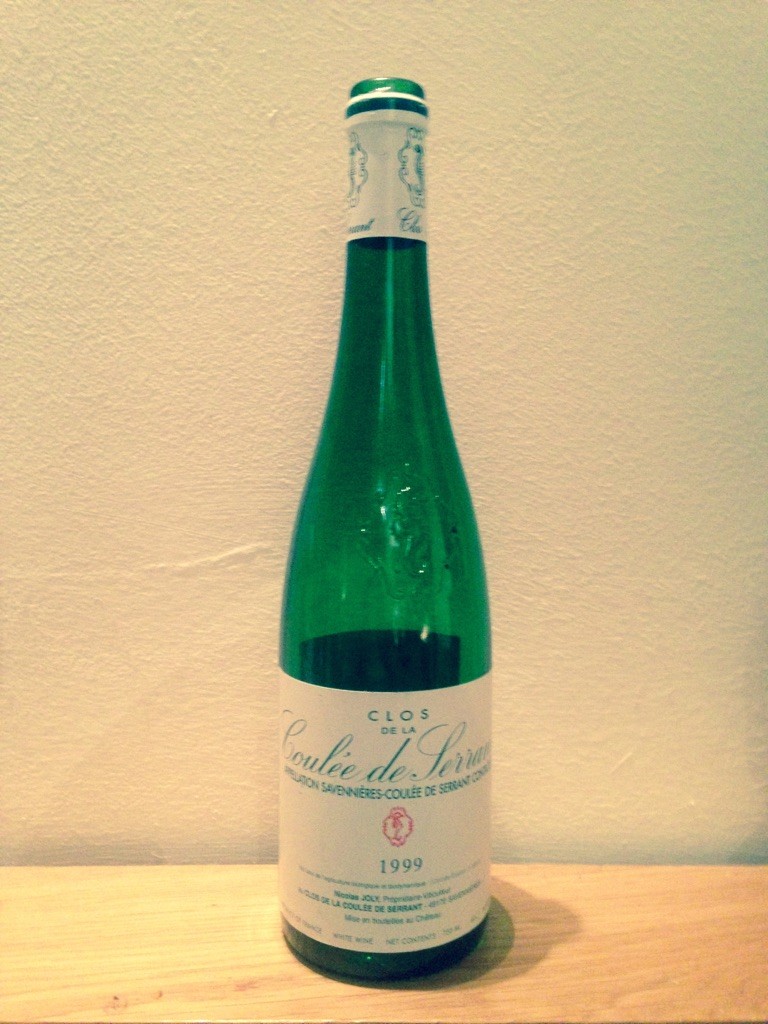
Clos de La Coulée de Serrant, 1999, Appellation Savennières-Coulée de Serrant Controlée, white wine from France

8 points

I stored this wonderful wine for sixteen years until I opened the next bottle. I am always hesitating if I should open it since I can imagine the fascination and satisfaction drinking it and only one or two hours later it is over….

Continue reading “Clos de La Coulée de Serrant, 1999”

Blog at WordPress.com.

Up ↑